

Study on the Influence of Bristle Cross-Section Shape on Powder Pickup Rate
Study on the Influence of Bristle Cross-Section Shape on Powder Pickup Rate
In the cosmetics industry, the performance of makeup brushes directly impacts user experience, with powder pickup rate standing as a critical metric that determines product efficiency and application quality. Among the various factors influencing this rate, bristle cross-section shape has emerged as a key design element, yet its specific effects remain underexplored in mainstream discussions. This study delves into how different bristle cross-section geometries—circular, flat, triangular, and elliptical—interact with cosmetic powders, shedding light on their practical implications for brush design.
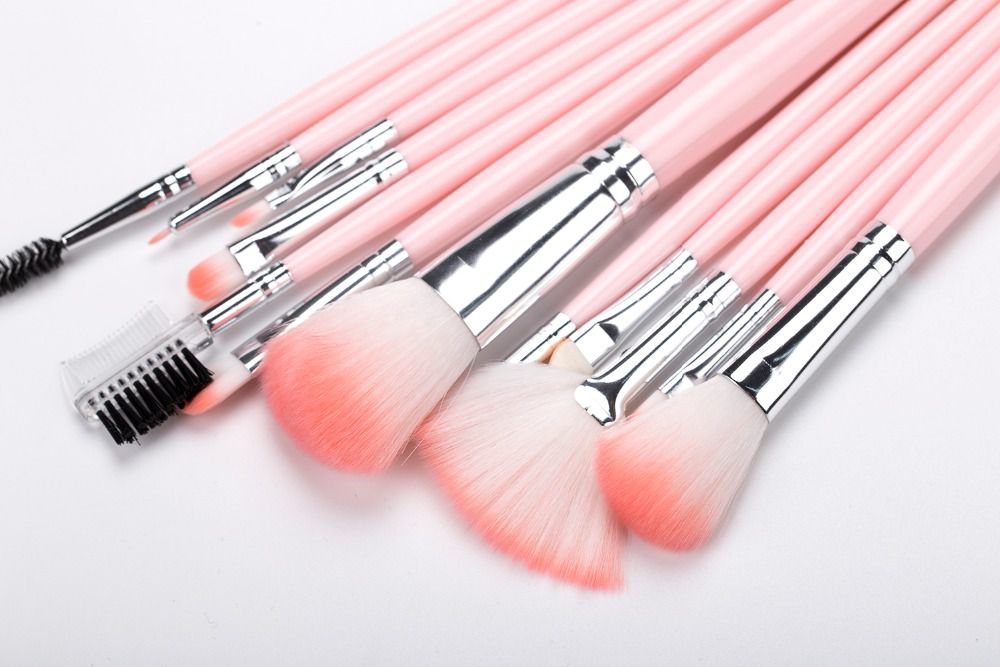
The Basics of Powder Pickup Mechanism
Powder pickup rate refers to the amount of powder a brush retains after initial contact, influenced by bristle-powder interactions such as surface adhesion, friction, and structural porosity. Bristles act as a medium: their shape dictates contact area with powder ps, the distribution of pressure during swiping, and the retention capacity within bristle gaps. For instance, a larger contact area might enhance initial pickup, but excessive density could trap powder, reducing release during application.
Analyzing Cross-Section Shapes
1. Circular Cross-Section
The most common bristle shape, circular cross-sections feature uniform symmetry. Their smooth, rounded edges minimize friction with powder ps, leading to moderate initial pickup. However, the circular geometry creates consistent inter-bristle spacing, which limits porosity. While this ensures even powder distribution during application, it often results in lower overall pickup compared to irregular shapes. Circular bristles are ideal for products requiring subtle, buildable coverage, such as loose setting powders.
2. Flat Cross-Section
Flat bristles, with their wide, ribbon-like profile, maximize contact area with powder surfaces. This design significantly boosts initial pickup by allowing more ps to adhere to the bristle’s broad face. The flat shape also creates irregular gaps between bristles, increasing porosity and trapping more powder. However, their rigidity can reduce flexibility, making them less suitable for delicate applications like eyeshadow blending. Flat cross-sections excel in dense, pigmented products such as blushes or bronzers, where high pickup is prioritized.
3. Triangular Cross-Section
Triangular bristles introduce sharp edges and three distinct faces, altering both adhesion and structural dynamics. The edges create localized high-pressure points during swiping, enhancing p penetration into bristle clusters. Additionally, the triangular geometry increases surface irregularity, promoting micro-adhesion between powder and bristle. This combination results in balanced pickup and release—triangular bristles retain enough powder for vivid color payoff while allowing controlled application. They are particularly effective for precision tools like eyeshadow brushes, where targeted pickup and blendability are key.
4. Elliptical Cross-Section
Elliptical shapes bridge the gap between circular and flat designs, offering moderate contact area with improved flexibility. Their elongated profile reduces bristle stiffness compared to flat shapes, while the curved surfaces maintain smoother powder flow. Elliptical bristles strike a balance: they pickup more powder than circular ones but release more evenly than flat counterparts. This versatility makes them suitable for multi-purpose brushes, such as foundation or contour brushes, where adaptability to different powder consistencies is essential.
Practical Implications for Brush Design
Manufacturers must align cross-section shape with product intent. For example, high-pigment powders demand flat or triangular bristles to maximize color transfer, while sheer, lightweight formulas benefit from circular or elliptical shapes to prevent over-pickup. Testing protocols, such as standardized powder weight measurements before and after pickup, can quantify these differences—preliminary data suggests triangular bristles achieve 20-30% higher pickup than circular ones for loose pigments, while flat bristles may exceed that by 15% but with reduced release efficiency.
Future Trends
As consumer demand for personalized makeup tools grows, custom cross-section shapes (e.g., pentagonal or serrated edges) are emerging. These designs aim to optimize specific interactions, such as enhanced powder retention for matte formulas or reduced adhesion for shimmery ps. Advanced materials, like hybrid synthetic fibers with variable cross-sections along the bristle length, could further refine pickup and release dynamics, pushing the boundaries of brush performance.
In conclusion, bristle cross-section shape is a pivotal factor in determining powder pickup rate, with each geometry offering unique trade-offs between pickup efficiency, application control, and product compatibility. By leveraging these insights, manufacturers can develop brushes tailored to diverse cosmetic needs, elevating both functionality and user satisfaction.


